
Thinking about bringing home a second dog? While the idea sounds exciting, it’s important to look beyond the extra cuddles and consider the realities. From added responsibilities to unexpected challenges, owning two dogs can be more complicated than it seems. Here are some key reasons to think carefully before making the decision.
Higher Everyday Costs


Bringing another dog into your home means your spending will rise across the board. Food, routine vet visits, medications, and grooming all add up quickly. Even small recurring costs can become significant over time. It’s important to be financially prepared before committing.
Balancing Individual Time


Each dog needs dedicated attention to feel secure and happy. When you have two, it becomes harder to give that one-on-one time consistently. Without it, one or both pets may feel neglected. Making time for both can take more effort than expected.
Clashing Personalities


Not every dog pairing works out smoothly. Differences in temperament can lead to tension or ongoing conflict. Introducing a second dog requires careful planning and patience. Compatibility plays a huge role in long-term harmony.
Managing Different Energy Levels


Dogs don’t all share the same activity needs. One may be calm and relaxed while the other requires constant stimulation. Meeting both sets of needs can become a daily challenge. It often means adjusting routines and expectations.
More Training Responsibilities


Training doesn’t stop once your first dog is well-behaved. A second dog brings new habits, routines, and challenges to address. You may even need to reinforce training for your first dog. It’s a time investment that shouldn’t be underestimated.
A Busier, Louder Home

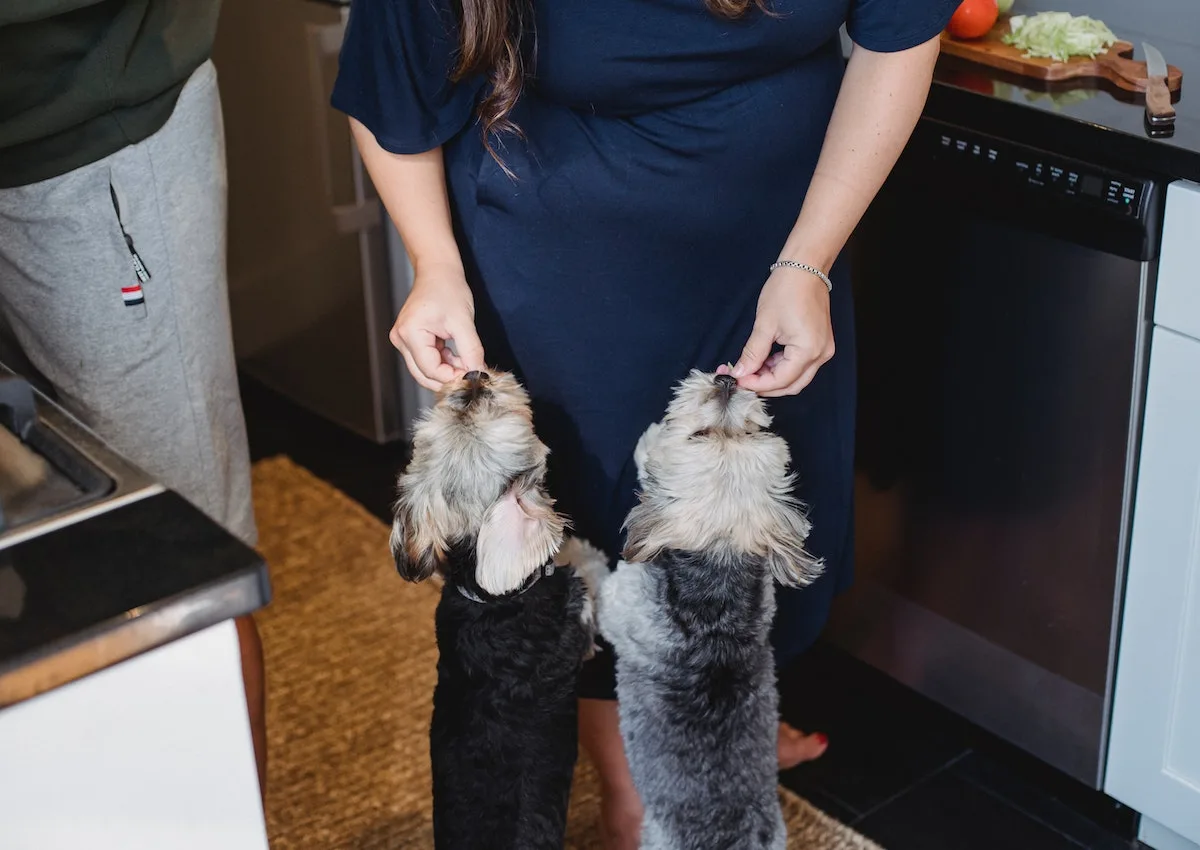
Two dogs can double the noise, mess, and general activity in your home. Barking, shedding, and playful chaos may increase significantly. While some enjoy the lively atmosphere, it can also feel overwhelming. It’s something to consider if you value a calm space.
Dividing Your Attention


Your first dog may struggle with no longer being the sole focus of your attention. Sharing affection and time can lead to adjustment issues. You’ll need to be intentional about giving both dogs equal care. This balance can take time to achieve.
Jealousy Between Pets


Dogs can develop jealousy when routines and attention shift. This may show up as behavioral changes or competition for your focus. Addressing these feelings takes consistency and patience. It’s an important part of maintaining a peaceful home.
Travel Complications


Traveling becomes more complicated with two pets in tow. You’ll need extra supplies, more space, and additional planning. Finding pet-friendly accommodations for multiple dogs can also be limiting. It adds another layer of logistics to every trip.
Guarding Food and Toys


Some dogs become protective over their belongings when another pet is introduced. This can include food bowls, toys, or favorite resting spots. Managing this behavior requires careful supervision and training. It’s essential to prevent conflicts.