
Adopting a rescue dog is one of the most rewarding decisions you can make, but it comes with responsibilities many people don’t expect. Every rescue has a unique story, and understanding that can make all the difference in your journey together. With the right mindset and preparation, you can help your new companion feel safe and loved. Knowing what to expect ahead of time sets both of you up for success.
Understand Their Background


Many rescue dogs come from uncertain or difficult pasts, which can shape how they behave in a new home. Some may have experienced neglect, fear, or inconsistent care. Because of this, patience and empathy are essential in the early days. Giving them time and space helps build trust at their pace.
Expect an Adjustment Period


Bringing a rescue dog home is a big change for them, and they may feel overwhelmed at first. It’s common to see nervous behavior, hiding, or hesitation. Creating a calm, predictable environment helps them settle in more comfortably. Over time, their personality will start to shine through.
Be Prepared for Training


Even adult rescue dogs may need help learning or relearning basic commands and routines. House training, leash manners, and social skills might take time to develop. Using positive reinforcement builds confidence and strengthens your bond. Consistency is key to helping them succeed.
Visit the Vet
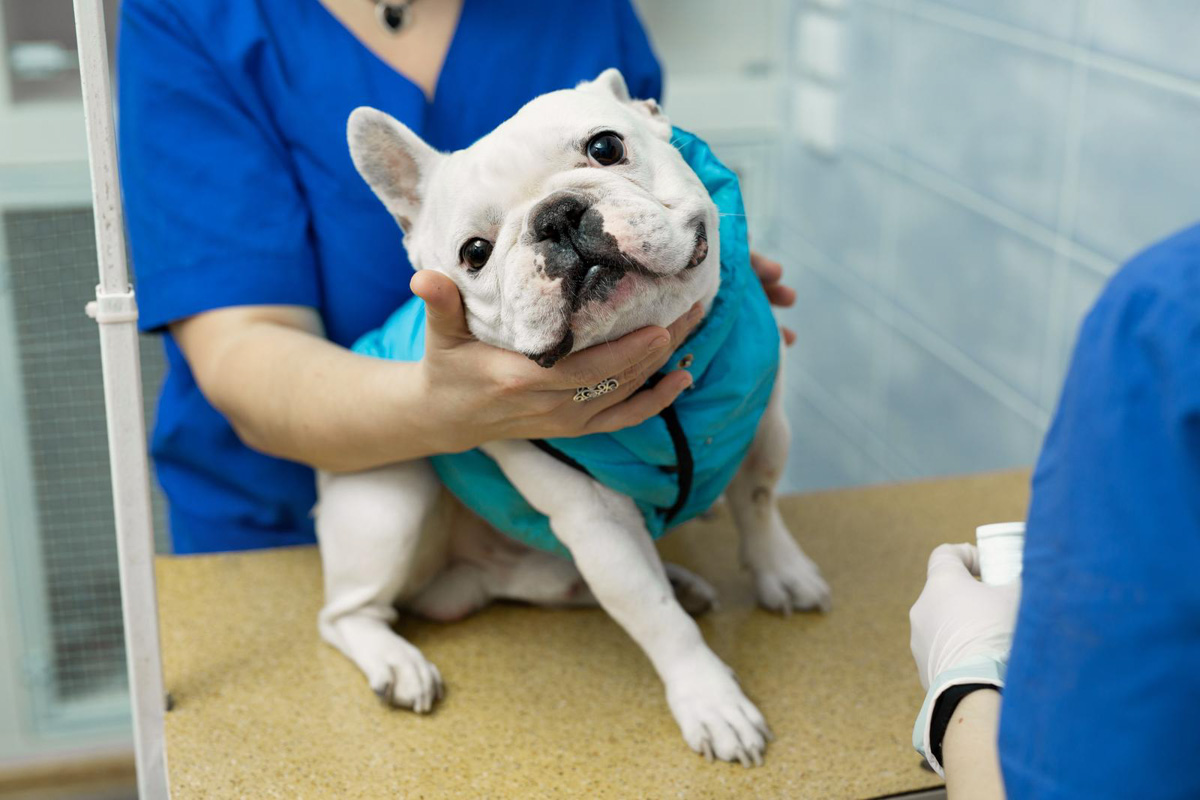
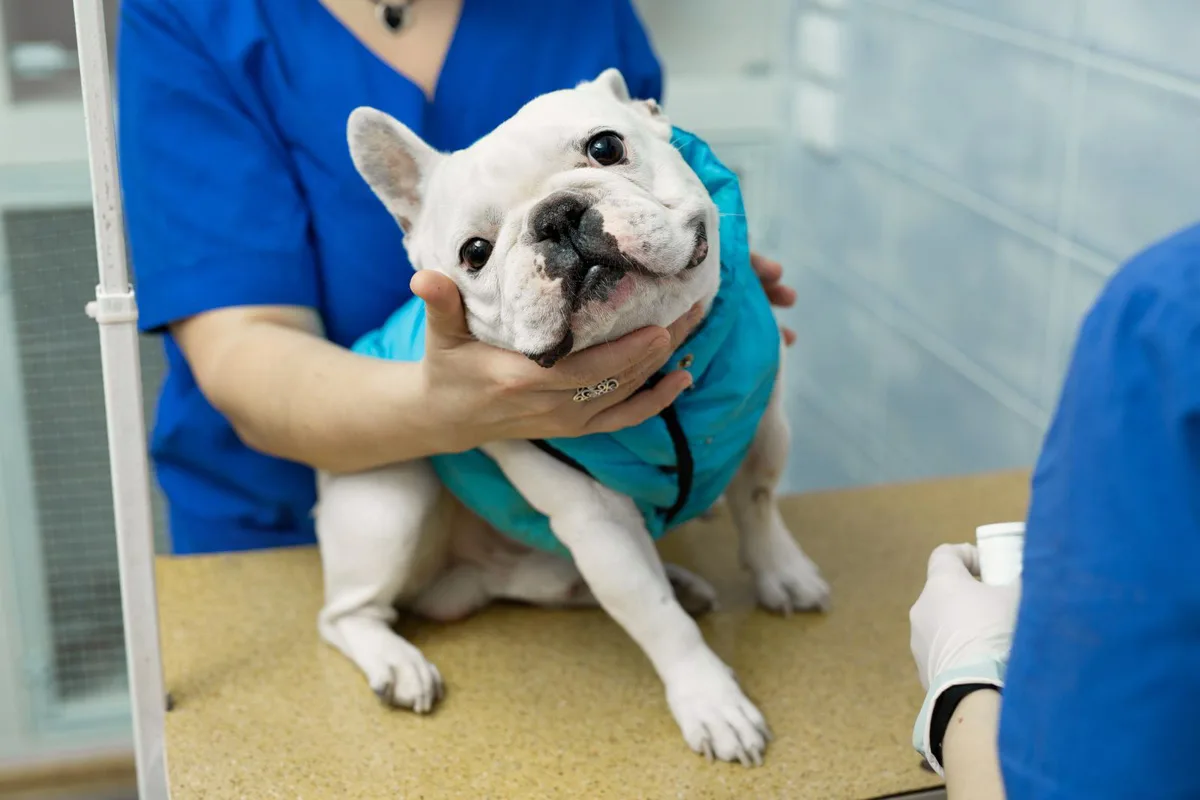
A veterinary check-up should be one of your first priorities after adoption. This ensures your dog is healthy and up to date on vaccinations. It also helps identify any hidden health concerns early on. Your vet can guide you on nutrition, care, and preventative measures.
Create a Routine
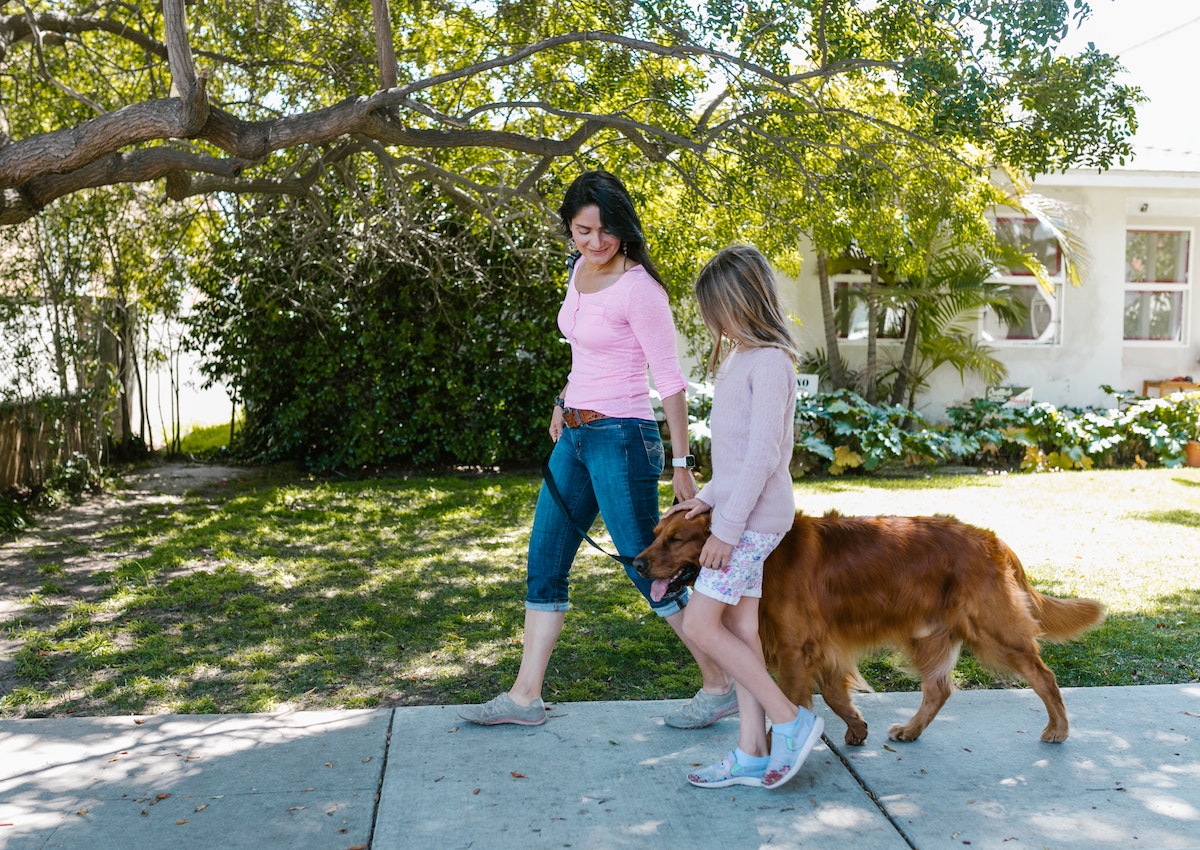
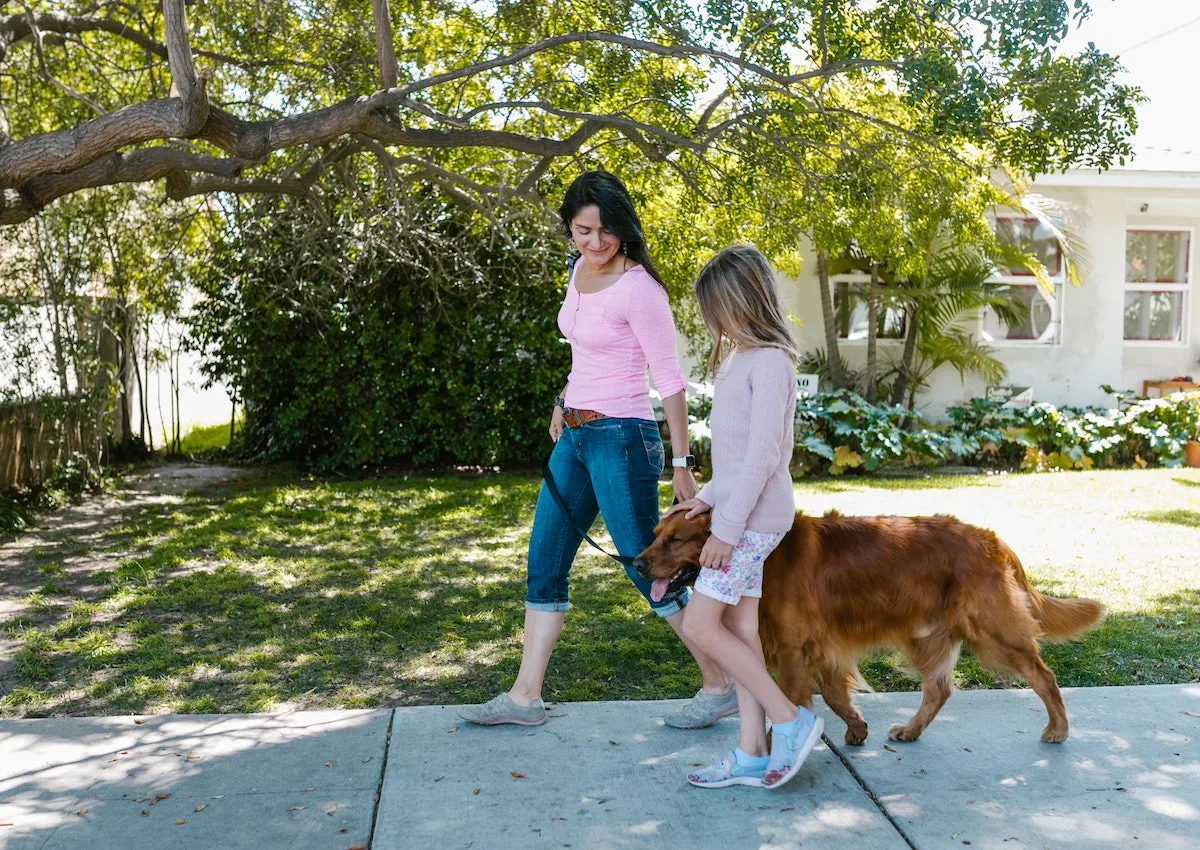
Dogs feel more secure when they know what to expect each day. Establishing a consistent schedule for meals, walks, and rest creates stability. This routine helps reduce anxiety and unwanted behaviors. Over time, it builds confidence and trust in their new home.
Provide Mental Stimulation


Keeping your dog mentally engaged is just as important as physical exercise. Puzzle toys, games, and short training sessions can prevent boredom. Without stimulation, some dogs may develop destructive habits. Giving them something to focus on keeps their mind sharp and satisfied.
Assess Your Home Environment


Your home should be a safe and comfortable space for your new dog. Remove hazards, secure outdoor areas, and create a designated resting spot. A well-prepared environment helps them feel secure right away. It also prevents accidents during the adjustment period.
Consider Your Lifestyle


Not every dog fits every lifestyle, so it’s important to choose wisely. Think about your schedule, energy level, and living space before adopting. Some dogs need more attention and exercise than others. Matching your lifestyle with the right dog leads to a happier relationship.
Prepare for Costs


Owning a dog comes with ongoing expenses beyond the initial adoption fee. Food, vet care, grooming, and supplies all add up over time. Planning ahead financially ensures your dog gets the care they need. Being prepared avoids stress later on.
Commit to the Long Haul


Adopting a rescue dog means committing to their entire life, not just the easy parts. There will be challenges along the way, but the rewards are worth it. Watching a rescue dog grow in confidence and happiness is incredibly fulfilling. With patience and dedication, you’ll build a bond that lasts a lifetime.