
Dog breed stereotypes tend to stick, even when they miss the truth completely. Some breeds get labeled as aggressive, difficult, lazy, or too intense, when in reality their personalities are far more nuanced. A dog’s behavior depends on training, environment, socialization, and individual temperament far more than popular myths suggest. These ten breeds are often misunderstood, and many of them are much more lovable than people expect.
Greyhound


Because of their racing history, many people assume Greyhounds need nonstop activity. In everyday life, they are usually calm, quiet, and perfectly happy, stretching out for a long nap. They enjoy exercise, but they are often much more relaxed at home than people expect.
Chihuahua


Chihuahuas are often written off as snappy or overly dramatic, but that reputation leaves out a lot. These tiny dogs are deeply devoted to their people and can be affectionate, bright, and entertaining companions. When they are handled well and socialized early, their big personality becomes more charming than difficult.
Rottweiler

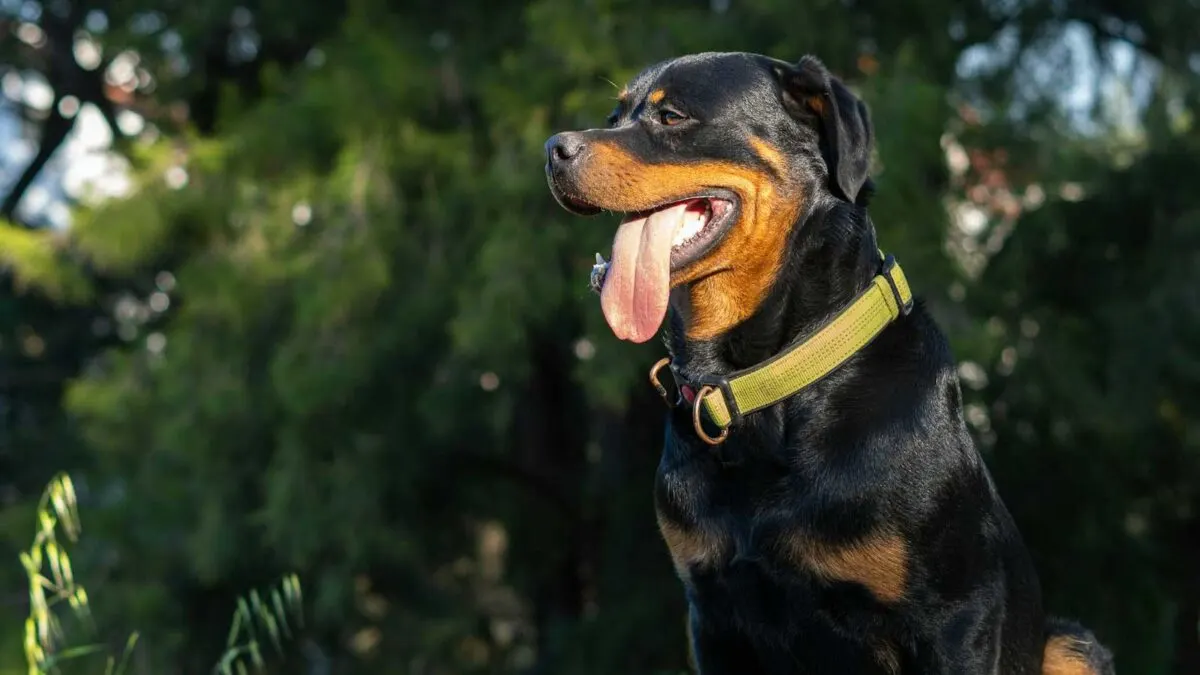
Rottweilers tend to get judged by their strength before people ever get to know them. In a stable home with guidance and consistency, they are typically loyal, steady, and very connected to their families. They are serious dogs, but that does not make them cold or unkind.
Bull Terrier


The Bull Terrier’s distinctive face and muscular build can make people think this breed is severe or hard-edged. In reality, many are goofy, affectionate, and full of playful energy. They often have a mischievous streak, but their personality is usually far more fun-loving than intimidating.
German Shepherd
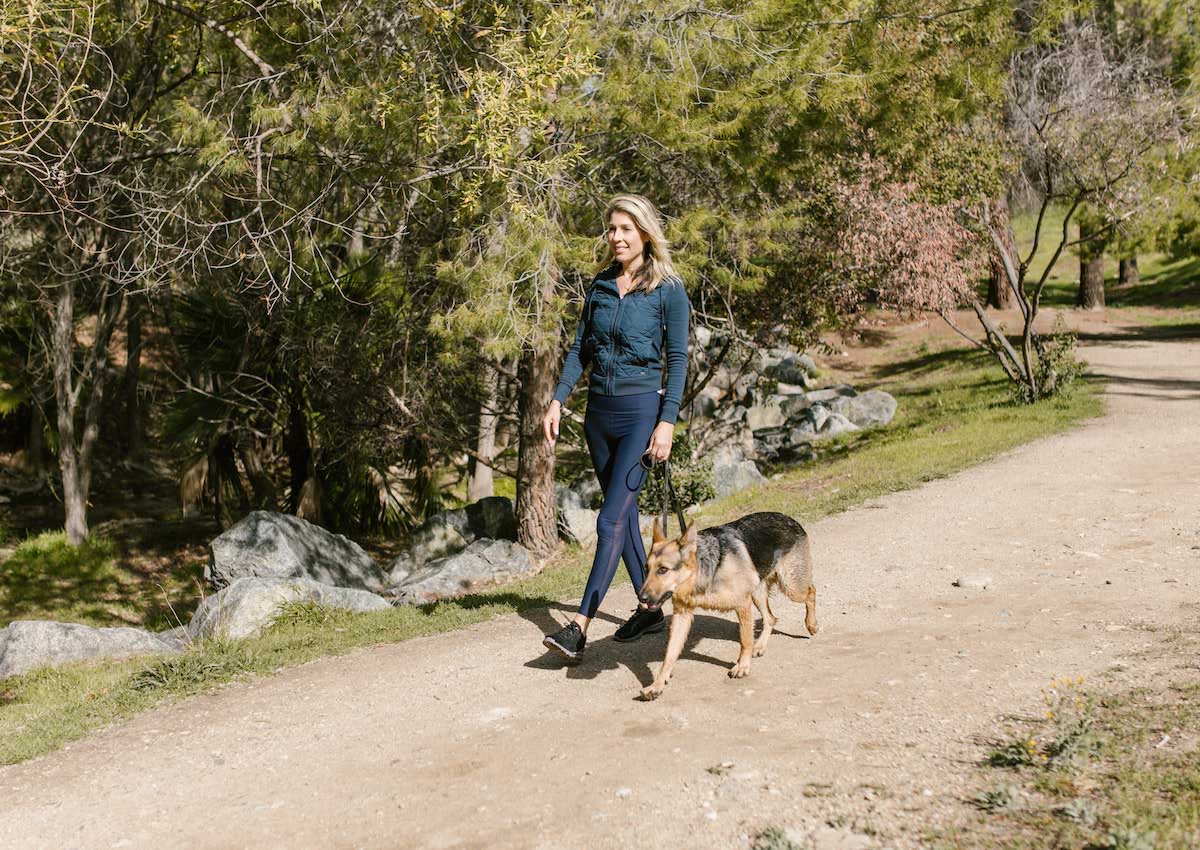

German Shepherds are often viewed only through the lens of police work and guarding. While they are certainly capable working dogs, they are also incredibly responsive, trainable, and devoted to the people they trust. With structure and socialization, they can be thoughtful family dogs as much as protectors.
Dalmatian


Dalmatians are admired for their looks, but people often misunderstand what kind of dog they really are. They are energetic, smart, and need direction, which can make them seem like too much when their needs are ignored. In the right home, that same intensity turns into enthusiasm, loyalty, and a lot of personality.
Akita


Akitas are often described as aloof, and while they can be reserved, that is not the whole story. They tend to form deep bonds with their families and are often very affectionate with the people they know well. Their independence gets mistaken for coldness, when it is often just confidence and self-possession.
Pit Bull Terrier


Pit Bull Terriers carry one of the heaviest reputations in the dog world, but many owners know a very different side of them. They are often affectionate, eager to connect, and deeply people-oriented. Their image has been shaped by fear and misuse far more than by the behavior of well-raised dogs.
Siberian Husky


Huskies get labeled as chaotic or impossible, mostly because they are energetic and independent. What people call stubbornness is often a combination of intelligence, curiosity, and a strong sense of self. They absolutely require effort, but they are not wild by default, just very much their own dogs.
Doberman Pinscher


Dobermans have a sleek, intense look that causes a lot of people to assume the worst. Underneath that image is a breed known for loyalty, focus, and a strong attachment to family. They are serious when needed, but they are also often loving, sensitive, and highly responsive to good training.