
Some dogs come with personalities and habits that can push even experienced owners to their limits. From stubborn streaks to high energy or strong protective instincts, these breeds often need extra patience and structure. Understanding their tendencies ahead of time can make a big difference in managing their behavior. If you’re thinking about bringing one home, it’s worth knowing what you might be signing up for.
Chihuahua


Chihuahuas may be tiny, but their bold personalities can be a handful. They often become overly vocal and protective, especially around strangers. Consistent training and early socialization help prevent them from becoming overly territorial.
Dachshund


Dachshunds are known for their independent thinking, which can make training more challenging. Their strong instincts to chase and dig often lead to unwanted behavior. Patience and routine are essential when working with this determined breed.
Jack Russell Terrier


This breed is full of energy and requires constant stimulation to stay balanced. Without enough activity, they may turn to destructive habits. Keeping them busy both physically and mentally is key to managing their behavior.
Bulldog


Bulldogs can be resistant when it comes to training, often preferring to do things at their own pace. Their laid-back attitude sometimes makes motivation a challenge. Consistency and gentle encouragement go a long way with them.
Basenji


Basenjis are highly independent and often think for themselves rather than following commands. Their curiosity and agility can make them excellent escape artists. Creative training approaches are often needed to keep them engaged.
Weimaraner


Weimaraners are energetic and thrive on constant companionship. When left alone for too long, they can develop destructive habits. Providing enough exercise and attention helps prevent these issues.
Yorkshire Terrier


Yorkies often act much bigger than they are, showing strong opinions and frequent vocal behavior. Without clear boundaries, they can become overly demanding. Consistent training helps keep their personality balanced.
Korean Jindo

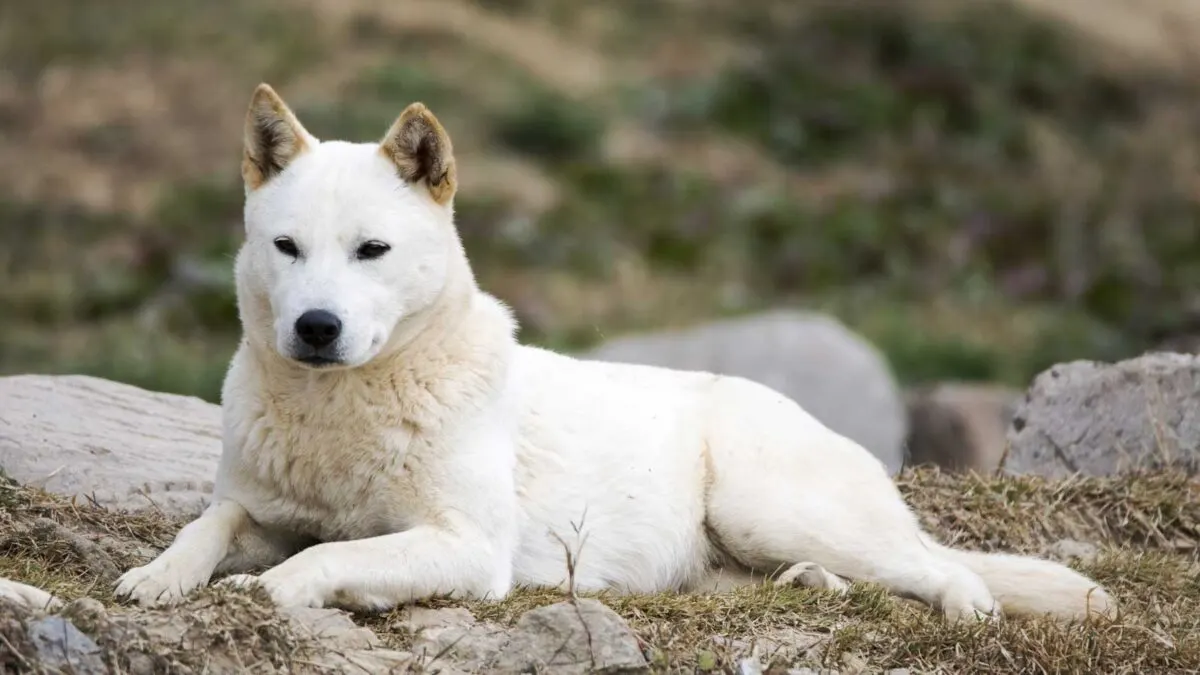
This breed tends to form strong bonds with one person while remaining distant with others. Their independent nature can make training more complex. Early socialization helps them adapt better to different environments.
Tibetan Mastiff


Tibetan Mastiffs are naturally protective and can be wary of unfamiliar people. Their strong will means they need firm and consistent leadership. With proper guidance, they can become steady and loyal companions.
Canaan Dog


Canaan Dogs are alert and intelligent but often prefer making their own decisions. Their cautious nature around strangers can lead to territorial behavior. Ongoing training helps build trust and manage their instincts.
Beagle


Beagles are driven by their powerful sense of smell, which often leads them into trouble. They can be vocal and determined when following a scent. Keeping them mentally engaged helps reduce unwanted behavior.
Dalmatian

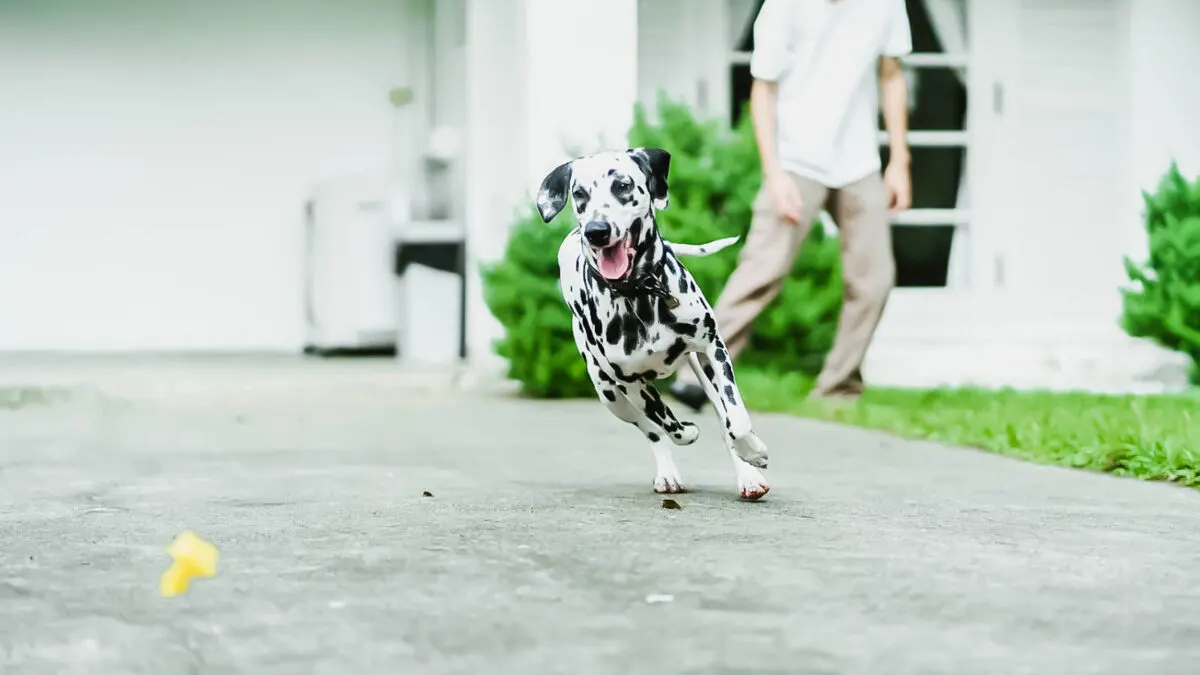
Dalmatians have high energy levels and need plenty of activity to stay balanced. Without enough exercise, they may develop destructive habits. Structure and routine help them stay focused and well-behaved.
Cocker Spaniel


Cocker Spaniels can be sensitive and may react strongly to stress or unfamiliar situations. Without proper guidance, they can become anxious or reactive. Gentle training and positive reinforcement work best for this breed.
Fila Brasileiro


This breed is extremely loyal but also highly protective, which can make social situations challenging. They require experienced handling and early training to manage their instincts. With the right approach, they can be both devoted and well-controlled.