


Dogs earned their place in history by showing up when it mattered. Some charged through battlefields, others guarded kings and queens, and a few dragged people out of snowbanks before rescue teams existed. These breeds played real roles in war, politics, and survival long before anyone called them pets. They worked alongside soldiers, stood by royal families, and helped explorers make it through brutal conditions. The connection between people and dogs runs deep, and these stories prove it.


Belgian Malinois


While German Shepherds usually get the spotlight, Belgian Malinois have quietly been the backbone of modern military K9 units. These dogs were used extensively by U.S. Special Forces, including in the mission that took down Osama bin Laden. Their speed, agility, and laser-like focus make them ideal for tactical work, but most people have no idea how heavily they’ve influenced modern warfare behind the scenes.
Pekingese


Originally bred to live in Chinese imperial palaces, Pekingese dogs were once reserved only for royalty. These dogs were carried in the sleeves of nobility and treated as divine beings. When British troops invaded the Forbidden City in 1860, they found several Pekingese and took some back to England as spoils of war. One even became a pet of Queen Victoria.
Newfoundland


Newfoundlands have a long history as water rescue dogs thanks to their massive size, powerful swimming ability, and thick coat. In the 18th and 19th centuries, they were used by European fishermen to haul nets, retrieve gear, and even rescue people from drowning. The breed’s instinct to jump into water and pull people to safety is so strong that modern versions are still used in lifesaving work today.
Saluki


One of the oldest known dog breeds, Salukis were prized by ancient Egyptian nobility and often mummified alongside their human counterparts. These dogs were seen as sacred gifts and were used to hunt game in the deserts of the Middle East. Their image was carved into tombs and artifacts dating back thousands of years, yet most people today just see them as elegant couch dwellers.
Doberman Pinscher


Dobermans were used extensively in WWII, especially by the U.S. Marine Corps in the Pacific. They served as scouts, messengers, and guards, alerting troops to enemies hiding in dense jungle. The breed was so important that a war memorial was created in Guam honoring the 25 Dobermans who died in battle. These dogs were both companions and soldiers.
St. Bernard


Long before they were internet memes with little barrels around their necks, St. Bernards were real alpine rescue dogs bred by monks at the Great St. Bernard Hospice in the Swiss Alps. They were trained to find and rescue travelers buried in snowdrifts. Between the 1600s and 1800s, these dogs saved an estimated 2,000 lives. The barrel thing is a myth, but the heroism is very real.
Cavalier King Charles Spaniel


These dogs went beyond the royal lap warmer reputation they had and were true political mascots in 17th-century England. Named after King Charles II, who reportedly never went anywhere without at least two of them, the breed became a symbol of loyalty to the crown. At one point, they had special permission to enter any public building in the U.K., including Parliament. That’s how deeply tied they were to royal life.
Alaskan Malamute
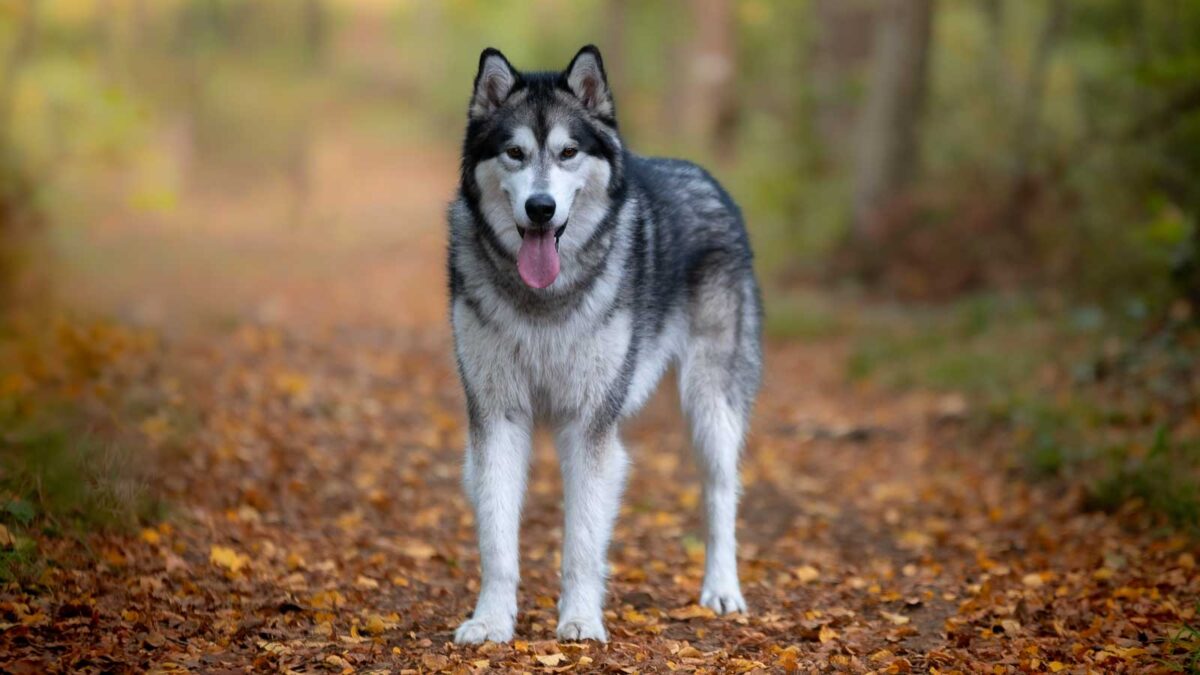

Before snowmobiles, the Alaskan Malamute was the powerhouse behind Arctic exploration and survival. These dogs helped haul heavy sleds, supplies, and even injured humans across treacherous terrain. During WWII, they were recruited for search-and-rescue missions and transport in snowy battlefields. Their strength and endurance literally kept expeditions moving when machines failed.
Greyhound


While they’re known today for racetracks and adoption events, Greyhounds were once the status symbol of ancient nobility. In Egypt, only royalty were allowed to own them, and in medieval Europe, harming one could result in a harsh penalty. These dogs were revered not just for speed, but also for their regal bearing. Their connection to high society spans thousands of years.
German Shepherd


Most people know German Shepherds as police dogs, but fewer know their massive role in both World Wars. They served as messengers, sentries, ammunition carriers, and even Red Cross dogs trained to find wounded soldiers on the battlefield. Their intelligence and loyalty turned them into one of the most trusted military dogs of all time, paving the way for the breed’s global popularity.
Bloodhound


With scent-tracking skills that are still unmatched, Bloodhounds have been solving crimes and finding missing people for over 1,000 years. Used by European nobility for tracking game, they later became an asset in law enforcement. Their sense of smell is so reliable that Bloodhound evidence has been accepted in U.S. courts.
10 Ancient Dog Breeds Still Thriving Today


Some dogs have been around long enough to have witnessed history first-hand—or at least their ancestors did. These ancient breeds have stuck around for thousands of years, and it’s no surprise why. They’ve got the kind of traits that keep them thriving in modern times, whether it’s their loyalty, unique looks, or just plain stubbornness. If you think your dog has personality, wait until you meet these old-timers who are still going strong today.
Read it Here: 10 Ancient Dog Breeds Still Thriving Today
10 Dogs That Were Once Considered Sacred By Ancient Cultures


Dogs have always been more than just pets. In ancient times, some breeds were treated like VIPs, with roles that went far beyond fetching sticks or begging for treats. These dogs were seen as sacred, protectors, or even messengers of the gods. Imagine being so important that your job description included warding off evil spirits or guiding souls to the afterlife. While today’s dogs mostly rule our couches, these breeds once held spiritual and cultural significance that made them untouchable in their heyday.
Read it Here: 10 Dogs That Were Once Considered Sacred By Ancient Cultures
*Select images provided by Depositphotos.