


We’ve all heard it: “A wagging tail means a happy dog.” But if you think that’s always true, you’re in for a surprise. Your dog’s tail is like their secret language, and it doesn’t always mean they’re in the mood to play or cuddle. Sometimes that wag is more “stay back” than “come closer.” From anxious wiggles to dominant wags, here’s how to decode all the possibilities.


Tail Wagging Low and Fast


It’s easy to assume a fast wag means happiness, but if the tail is low, your dog might be feeling nervous or submissive. They’re not stoked to see you; they’re unsure and possibly trying to avoid conflict. So, no, this isn’t their “best day ever” tail wag.
Tail Tucked with a Wag


If their tail is tucked between their legs but still wagging, it’s a sure sign of anxiety. They’re wagging out of stress, not joy. Think of it like a nervous laugh—sure, they’re moving, but it’s not because they’re having a good time.
Stiff Tail Wag


A slow, rigid wag can indicate dominance or aggression. If your dog’s tail is straight and their body’s stiff, they’re not thrilled—they’re evaluating the situation. It’s more “back off” than “come pet me,” so give them space until they cool down.
Tail Wagging to the Left


Tail wagging direction matters! If your dog’s tail is favoring the left, studies say they’re likely feeling stressed or uneasy. It’s not your imagination—this wag means they’re in discomfort, not happily greeting you.
Circular Tail Wagging


A full circle wag might look cute, but it can signal overstimulation. While it often means excitement, it can quickly lead to your dog going full zoomie-mode. Be prepared for some wild energy—or chaos if they can’t control themselves.
Very Slow Wag


A super slow wag doesn’t mean your dog is chilling out. In fact, they’re probably feeling cautious and unsure about the situation. They’re on the fence and trying to figure out what’s happening—definitely not in a “let’s play” mood just yet.
Tail Wagging While Barking


Wagging while barking doesn’t mean they’re just being friendly—it often signals agitation, especially if they’re meeting new people or animals. The tail’s moving, but that bark says they’re feeling territorial. Don’t confuse this for an invitation to pet them.
Tail Wagging While Growling
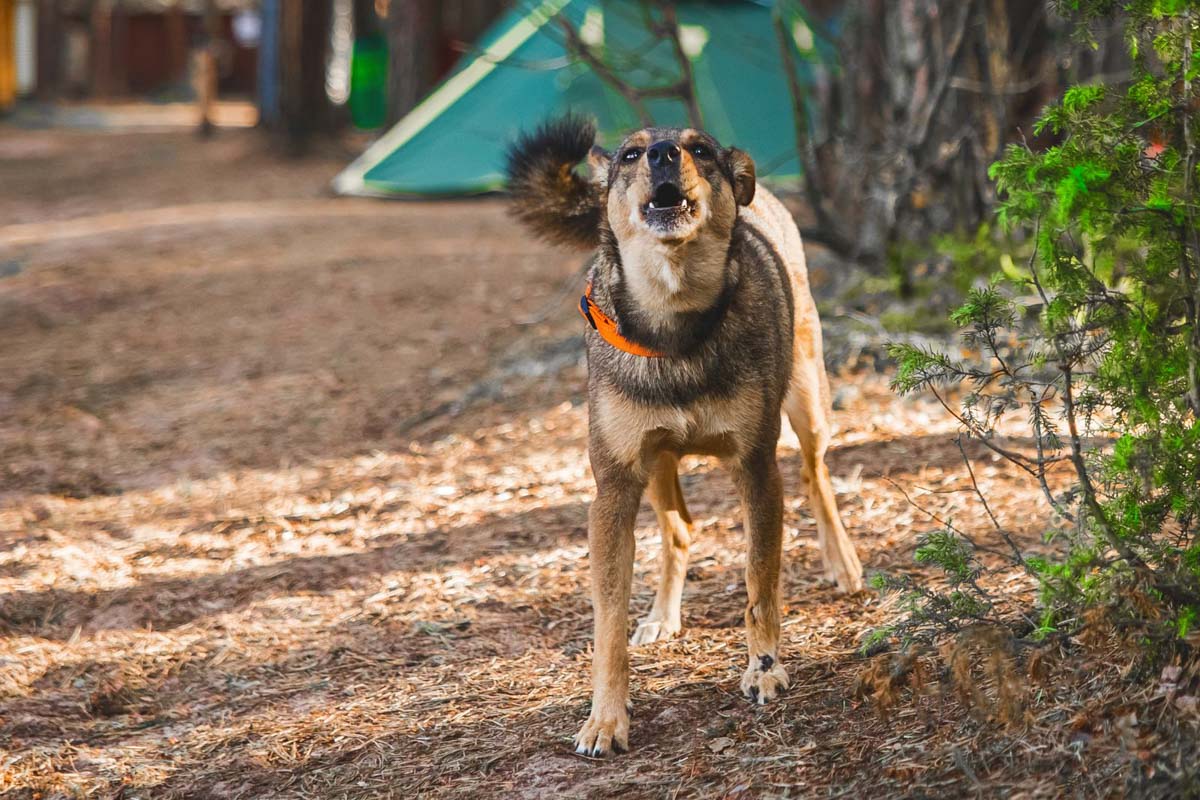

Wagging plus growling? That’s a major red flag. Your dog’s on edge, and the wag isn’t a sign of friendliness—it’s a warning. They’re not trying to be cute; they’re telling you or someone else to back off before things escalate.
High Tail Wag


A high, stiff wag might seem proud, but it’s more about confidence and dominance. Your dog’s feeling like the boss and might be asserting control over the situation. They’re not inviting belly rubs—they’re setting boundaries.
Wagging While Avoiding Eye Contact


If your dog’s tail is wagging but they’re avoiding your gaze, they’re probably feeling guilty or submissive. It’s not a playful wag, more like “Sorry, I know I messed up!” They’re trying to keep the peace, not start a play session.
Is Your Dog Happy? 12 Signs Of A Happy Dog


Dogs have their own unique language for telling us how they feel, and when they’re happy, it’s impossible to miss. From playful antics to those quiet moments where they just lean into you, dogs have a way of letting us know when life is good.Dogs have their own unique language for showing us how they feel, and when they’re happy, it’s usually pretty clear.
But what exactly does happiness look like in dogs? Dog behavior can be complex, and sometimes it’s hard to tell if your pup is feeling on top of the world or just having an off day. According to experts, while “happy dogs look happy,” understanding those signs often depends on knowing your dog’s personality. After all, you’re the one who knows them best. Whether it’s those wild zoomies around the house or a simple contented sigh, recognizing the signs of happiness in your dog can help you ensure they’re living their best life.
Read it Here: Is Your Dog Happy? 12 Signs Of A Happy Dog
12 Dog Breeds with the Funniest Tails

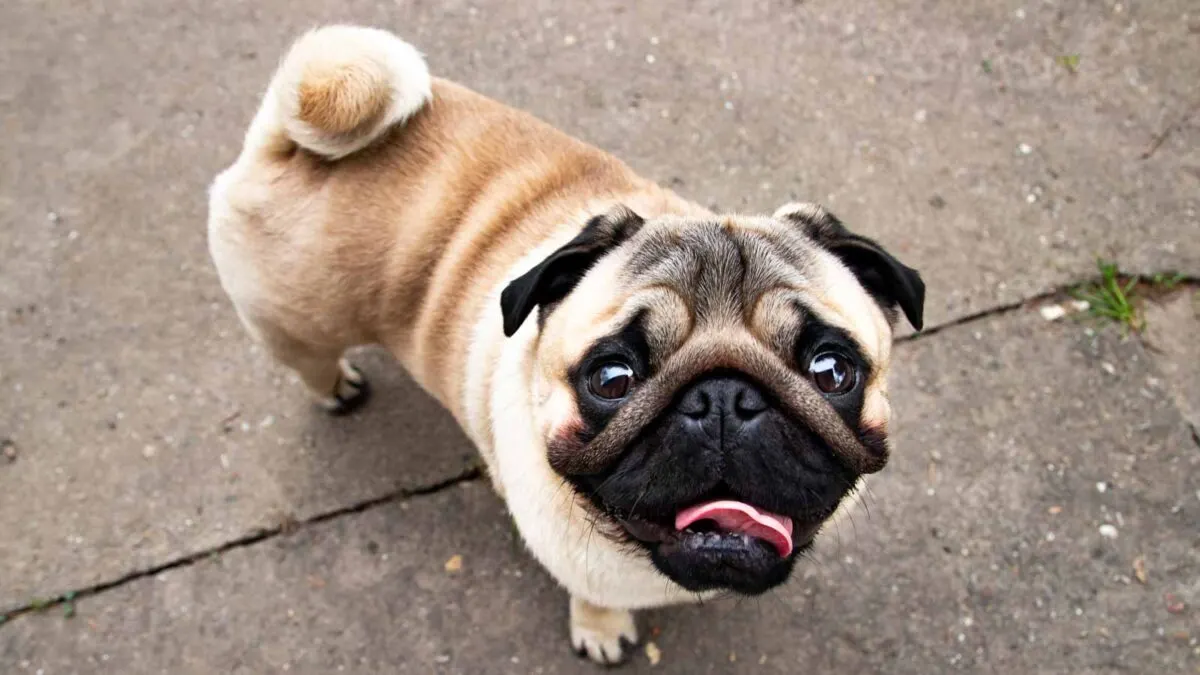
Some dogs just have tails that are pure comedy gold. These wagging wonders add so much character to our furry friends, you can’t help but laugh. Check out these dogs with tails that twist, curl and fluff in the most amusing ways and enjoy a lineup of pups whose tails are as entertaining as they are.
Read it Here: 12 Dog Breeds with the Funniest Tails