


We all want our dogs to be happy and healthy, but some common health issues tend to slip under the radar. It’s easy to chalk up a little extra weight or a bit of bad breath to the quirks of dog ownership, but these can be signs of something more serious. Many dog health problems are subtle at first, making them easy to overlook until they become bigger issues. To keep your pup in top shape, it’s important to know what to watch for.


Dental Disease


Bad breath isn’t just unpleasant; it’s often a sign of dental disease, which affects 80% of dogs by age three. Left unchecked, it can lead to pain, tooth loss, and even heart issues. Regular brushing and dental check-ups are key to preventing these problems, yet many owners overlook this simple care.
Obesity


We love to spoil our dogs, but those extra treats can quickly add up. Obesity is a growing problem in dogs, leading to joint issues, diabetes, and a shortened lifespan. The occasional indulgence is fine, but maintaining a healthy weight through proper diet and exercise is crucial.
Ear Infections


Dogs, especially those with floppy ears, are prone to ear infections. Signs like head shaking, scratching, or a strange odor often go unnoticed until the infection is severe. Regular ear cleaning and monitoring can prevent this common issue from becoming a painful problem.
Arthritis


Arthritis isn’t just a problem for older dogs; it can affect dogs of all ages, particularly larger breeds. Subtle signs like stiffness or reluctance to jump can be easy to miss. Early intervention with joint supplements, weight management, and gentle exercise can help manage the discomfort.
Allergies


Constant scratching, licking, or ear problems might be signs of allergies, not just typical dog behavior. Environmental and food allergies are more common than you think and can make your dog miserable if not addressed. Identifying and treating the cause can significantly improve their quality of life.
Hypothyroidism


Weight gain, lethargy, and a dull coat are often chalked up to aging, but they could be signs of hypothyroidism. This condition is easily managed with medication, but it’s frequently overlooked because the symptoms develop gradually. A simple blood test can diagnose it, so it’s worth discussing with your vet.
Bloat (Gastric Dilatation-Volvulus)


Bloat is a life-threatening condition that’s often misunderstood. Large, deep-chested breeds are particularly at risk. It occurs when the stomach fills with gas and twists, cutting off blood supply. Early signs include restlessness, drooling, and a swollen abdomen. Immediate veterinary attention is crucial, yet many owners don’t recognize the symptoms until it’s too late.
Heartworm Disease


Heartworm is a serious, sometimes fatal condition that’s surprisingly easy to prevent, yet often overlooked. The symptoms—such as coughing and lethargy—might not appear until the disease is advanced. Regular heartworm prevention is key, especially in areas where mosquitoes are common, but many owners forget this crucial protection.
Pancreatitis

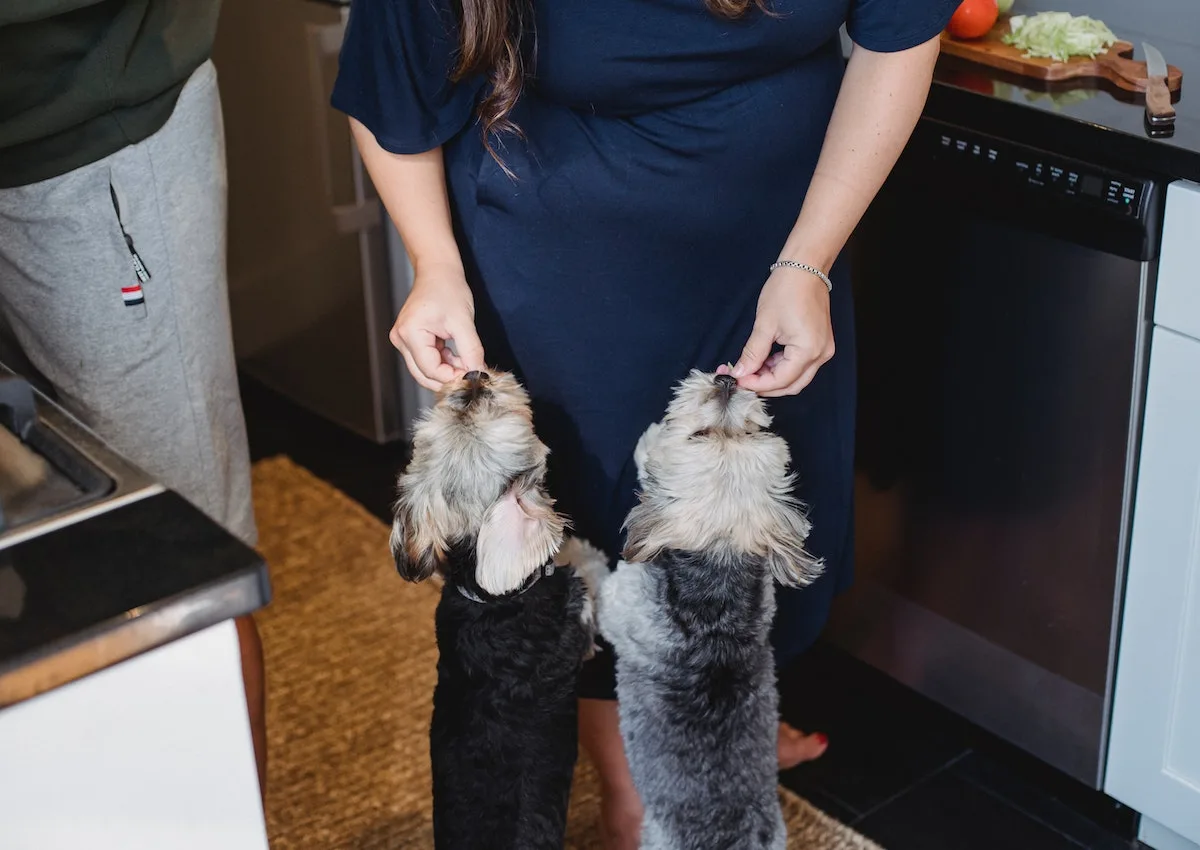
Sudden vomiting, diarrhea, and abdominal pain could be signs of pancreatitis, often triggered by fatty foods. This condition is painful and can lead to severe complications if not treated promptly. Many owners are unaware of the risks associated with feeding their dogs table scraps, which can inadvertently cause this issue.
10 Ways To Improve Your Dog’s Dental Health


Keeping your dog’s teeth clean is super important, but it doesn’t have to be a chore. We know brushing your pup’s teeth might sound like a wrestling match waiting to happen, but it can actually be pretty simple—and even fun! With a few clever tricks and regular habits, you can keep your dog’s smile bright and their breath fresh enough for cuddles. Here are some easy and surprisingly enjoyable ways to improve your dog’s dental health.
Read it Here: 10 Ways To Improve Your Dog’s Dental Health
Get Your Dog Moving: 10 Creative Strategies for a Healthier Pup


Keeping your dog active isn’t just about the usual walk around the block. Sometimes, both you and your pup need a little variety to stay motivated. That’s why we’ve put together 10 creative exercises that are not only fun but will also ensure your dog stays healthy and energetic. From interactive games to new adventures, these activities will keep your dog’s tail wagging and their fitness on track.
Read it Here: Get Your Dog Moving: 10 Creative Strategies for a Healthier Pup
*Select images provided by Depositphotos.