

You’ve likely turned your back for 10 seconds only to find your dog grabbing something they shouldn’t off the table or counter. It’s a heart-stopping moment that sends many dog owners into a panic, dialing pet poison control for advice. From everyday foods to common household items, the list of potential toxins might surprise you.


Chocolate Ingestion


Chocolate might be your favorite treat, but it’s a no-go for dogs and cats. Thanks to theobromine, chocolate can cause everything from upset tummies to serious health issues. The darker the chocolate, the more dangerous it is. Pet owners often call poison control in a panic after discovering their pet has turned into a chocoholic.
Grapes and Raisins


Who knew these tiny fruits could be so toxic? Even a small handful can lead to kidney failure in dogs. If Fido gets into your grape stash, you’ll likely be dialing poison control faster than you can say “raisins are bad.” Symptoms like vomiting and lethargy can start showing up quickly.
Human Medications


Pets are sneaky and curious, especially when it comes to finding and chewing through pill bottles. Common culprits include pain relievers, antidepressants, and blood pressure meds. One accidental gulp, and you’re on the phone with poison control wondering how much damage a single pill can do.
Rodenticides

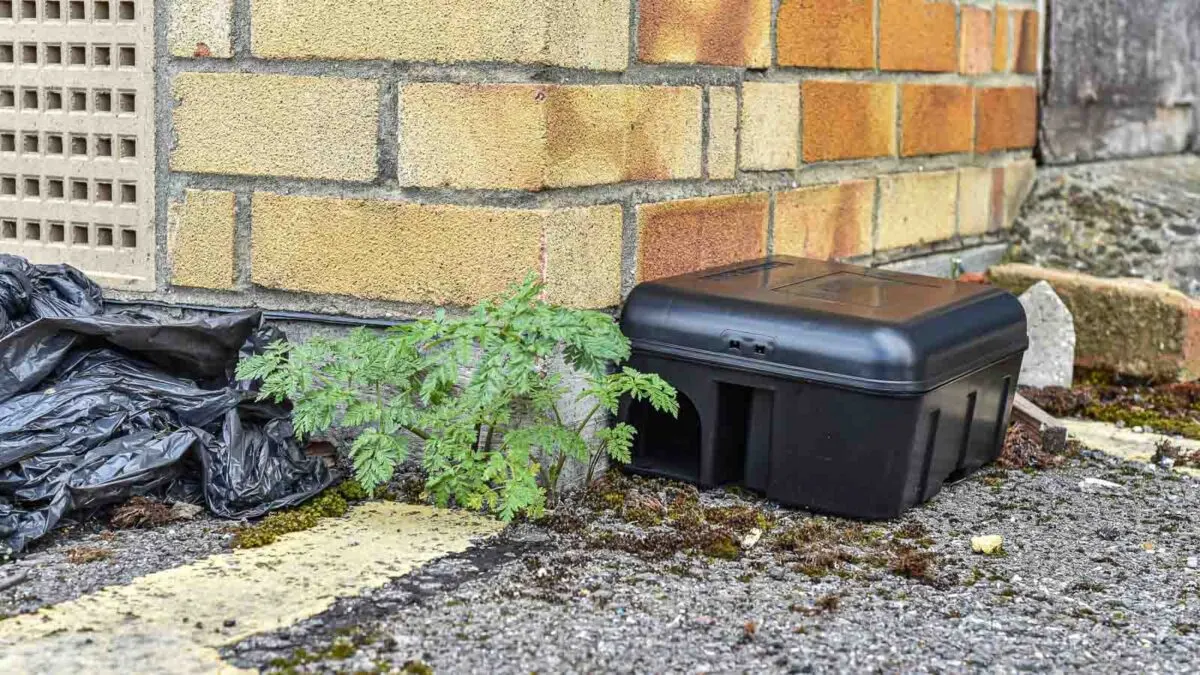
Rat poison might be effective for pests, but it’s a nightmare for pets. These toxic substances can cause internal bleeding, kidney failure, or neurological issues. If your pet gets into a rodenticide, it’s a race against time to get advice and head to the vet.
Household Cleaners


Bleach, disinfectants, and other cleaners are great for tidying up but terrible for pets. They might lick surfaces or drink from mop buckets, leading to calls about potential poisoning. Symptoms can range from drooling to severe chemical burns.
Insecticides


Whether it’s from a treated lawn or a bait trap, insecticides can spell trouble for pets. These chemicals can cause anything from mild irritation to severe neurological issues. If your pet has had a close encounter with insecticides, you’ll be reaching for the phone to call poison control.
Xylitol


Found in sugar-free gums and candies, xylitol is a sweet treat that’s deadly for dogs. It can cause a rapid insulin release, leading to dangerously low blood sugar levels and even liver failure. If your dog chomps on something sugar-free, a call to poison control is a must.
Plants


Some household plants, like lilies, sago palms, and tulips, are toxic to pets. Ingesting parts of these plants often results in frantic calls to poison control. Symptoms like vomiting, drooling, and lethargy can appear quickly and require immediate attention.
Antifreeze


Ethylene glycol, the main ingredient in antifreeze, is highly toxic and attractive due to its sweet taste. Even small amounts can cause kidney failure in pets. If your pet finds a puddle of antifreeze, you’ll be in panic mode and dialing poison control.
Human Foods


Many common foods like onions, garlic, and avocado are toxic to pets. Calls to poison control often occur after pets get into the pantry or are fed inappropriate table scraps. Symptoms can range from gastrointestinal upset to severe poisoning. Keeping these foods out of reach is crucial to avoid an emergency.
10 Toxic Plants To Dogs That Every Owner Should Know About


Keeping our dogs safe isn’t just about leashes and fences—it’s also about knowing what’s in our gardens and homes. Believe it or not, some pretty plants can be pretty dangerous to our furry buddies. Learn what makes these ten plants toxic and why you need to keep them out of reach from your dog.
Read it Here: 10 Toxic Plants To Dogs That Every Owner Should Know About
10 Essential First Aid Tips Every Dog Owner Should Know


As a dog owner, being prepared for emergencies is as crucial as daily walks and feeding. Whether it’s a minor injury or a more serious condition, knowing first aid can be a lifesaver for your furry friend. From learning how to perform CPR to assembling a first aid kit, these tips will equip you with the essential knowledge to handle common emergencies so you can act swiftly and keep your dog safe.
Read it Here: 10 Essential First Aid Tips Every Dog Owner Should Know
*Select images provided by Depositphotos.