


Dogs can get stressed out just like us, and sometimes it shows in the most unexpected ways. If your pup seems a bit off, it might be their way of telling you they need a little extra care. But don’t worry, we’ve got your back. Here are some of the clear signs your dog is stressed out and how to keep them calm.


Excessive Barking
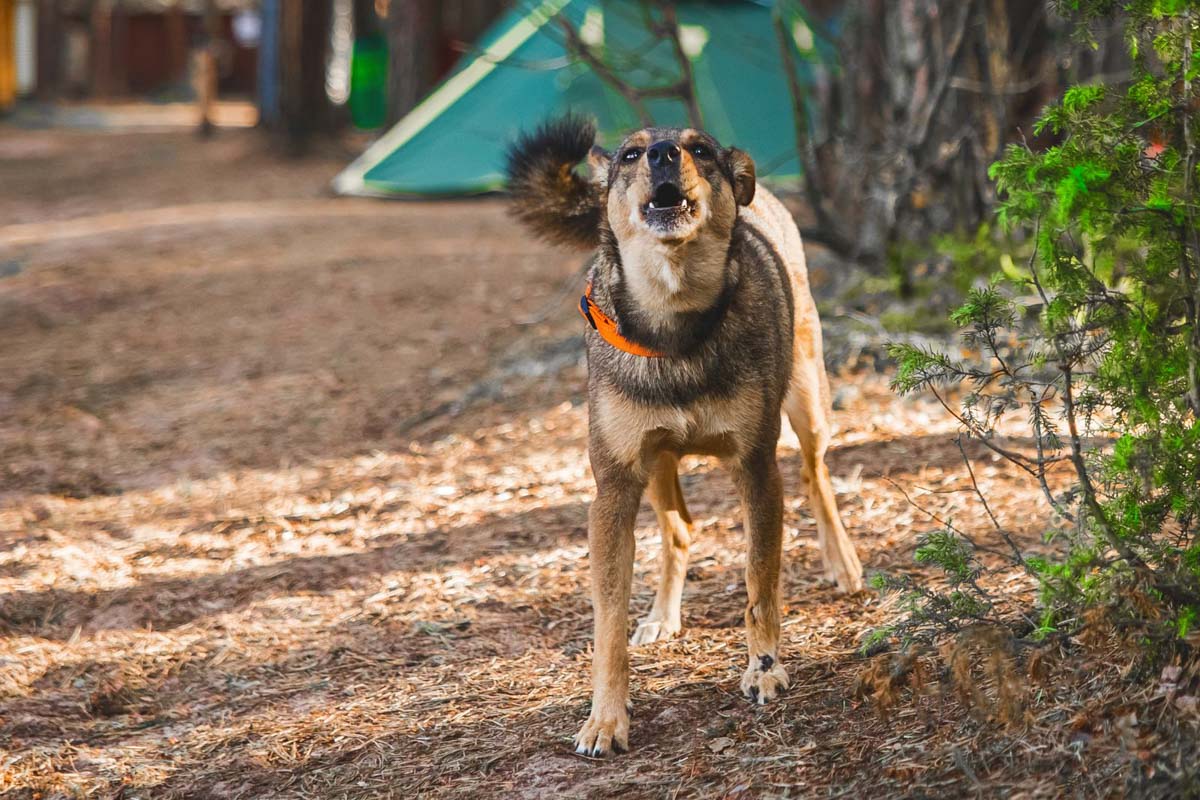

If your dog is barking more than usual, it could be a sign of stress. Dogs bark to communicate, and when they’re stressed, they might bark at anything and everything. Try to figure out what’s triggering the barking. Maybe it’s a noisy neighbor or a new pet in the house. Providing comfort, distraction with toys, and positive reinforcement can help calm them down.
Pacing or Restlessness


Does your dog seem unable to settle, pacing back and forth like they’re on a mission? This can be a clear sign of stress. Make sure your pup is getting enough exercise to burn off that nervous energy. Creating a calm, quiet space for them to relax can also work wonders. Sometimes, a good belly rub can help them chill out.
Licking or Chewing


Excessive licking or chewing, especially on their paws or other body parts, can indicate stress. This behavior is often a coping mechanism for anxiety. Provide your dog with chew toys or puzzle feeders to keep them occupied. You might also want to try calming products like pheromone sprays or CBD treats.
Panting and Drooling


Panting and drooling aren’t just signs of a hot dog. If your pup is panting heavily or drooling without any physical exertion, they could be stressed. Keep them cool and hydrated, and try to create a serene environment. A cozy corner with their favorite blanket might help them feel safe.
Changes in Eating Habits


Stress can mess with your dog’s appetite. They might eat more than usual or lose interest in their food altogether. Stick to a consistent feeding schedule and offer a nutritious diet. If their eating habits don’t improve, a visit to the vet might be in order to rule out any underlying issues.
Avoidance or Hiding

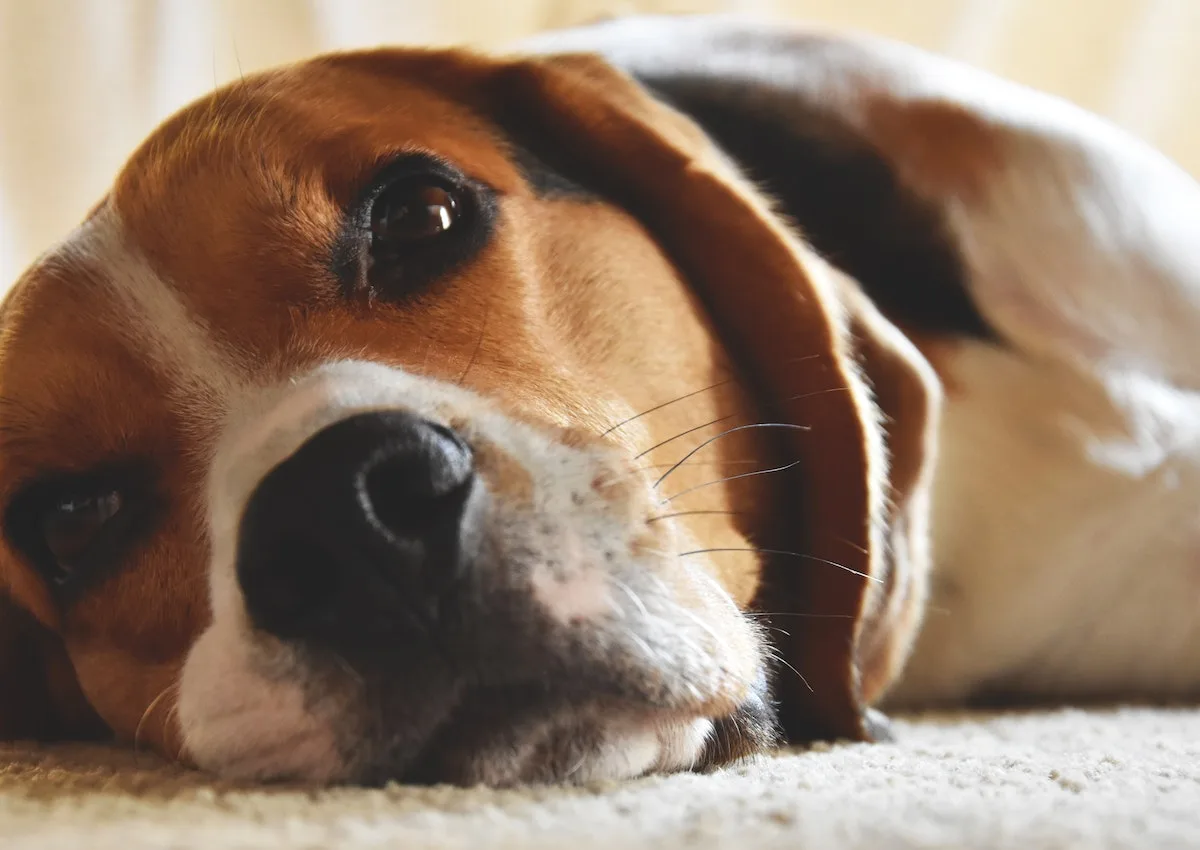
If your dog starts avoiding you or hiding in unusual places, they might be feeling stressed. Give them some space and time to come around. Ensure they have a quiet, safe spot to retreat to, and avoid forcing interactions. Sometimes, they just need a little break from all the chaos.
Excessive Shedding


Noticing more fur on your furniture and clothes? Stress can cause dogs to shed more than usual. Regular grooming can help manage the extra hair and provide some comfort. If the shedding seems out of control, consulting a vet can help identify any underlying problems.
Aggressive Behavior


If your usually sweet dog starts showing signs of aggression, stress might be the culprit. This can include growling, snapping, or even biting. It’s important to address this behavior safely. Consider consulting a professional trainer or behaviorist who can provide guidance and techniques to manage and reduce aggression.
Whining or Whimpering


Whining and whimpering are classic signs that your dog is stressed or anxious. These vocalizations are their way of asking for help. Comfort them with gentle petting and soothing words. Engaging in calming activities like playing soft music or using a calming diffuser can also help.
Yawning and Licking Lips


Frequent yawning or lip licking, especially when they’re not tired or hungry, can be stress indicators. These behaviors can be their way of calming themselves. Make sure your dog has a comfortable and safe space. Stress-relief techniques like doggy massages or calming supplements can make a big difference.
Changes in Sleep Patterns


If your dog is suddenly sleeping a lot more or a lot less, stress could be the cause. Just like us, dogs can have trouble sleeping when they’re anxious. Establish a regular routine and make sure they have a comfy bed in a quiet spot. Consistent sleep can help reduce their stress levels.
Destructive Behavior


Chewing on furniture, shoes, or anything they’re not supposed to? Destructive behavior is a common sign of stress in dogs. Provide plenty of appropriate chew toys and outlets for their energy, like interactive play and regular exercise. Puzzle toys can also keep their mind busy and reduce stress.
Trembling or Shaking


If your dog is trembling or shaking, it might not just be cold—they could be stressed or scared. Create a safe and cozy environment for them to relax in. Calming aids like anxiety wraps (Thundershirts) or pheromone diffusers can help them feel more secure.
Loss of House-Training


Accidents in the house, even if they’re usually house-trained, can happen when your dog is stressed. Be patient and avoid scolding them. Reinforce house-training with positive methods and maintain a consistent routine. Sometimes a refresher course on potty training is all they need.
Hypervigilance


A stressed dog may seem overly alert, constantly scanning their environment and reacting to every little noise. This hypervigilance can be exhausting for them. Try to reduce exposure to stressors and provide plenty of mental and physical stimulation to help them feel more secure and relaxed.
10 Tips For Managing Your Dog’s Separation Anxiety


If your dog gets anxious when you leave, you’re not alone. Many pet owners face the challenge of managing their dog’s separation anxiety. It can be tough seeing your best friend distressed, but there are effective ways to help them cope. Let’s walk through some practical tips to ease your dog’s anxiety and make your departures less stressful for both of you.
Read it Here: 10 Tips For Managing Your Dog’s Separation Anxiety
15 Dogs That Practically Train Themselves


Training a dog can be a challenge, but some breeds make it a whole lot easier. These dogs are smart and eager to please, making them quick learners. Whether you’re a first-time dog owner or just want a pup that’s easy to work with, these breeds will make you feel like a training pro. They range from playful companions to diligent workers, but each is an absolute dream to train and a well-trained pup makes life so much easier.
Read it Here: 15 Dogs That Practically Train Themselves
*Select images provided by Depositphotos.