


Feeding your dog seems straightforward enough, but it’s surprisingly easy to get it wrong. Many dog owners fall into habits that might not be the best for their furry friends’ health. Let’s unpack some common feeding mistakes and how you can avoid them to keep your dog in top shape.


Feeding human food indiscriminately

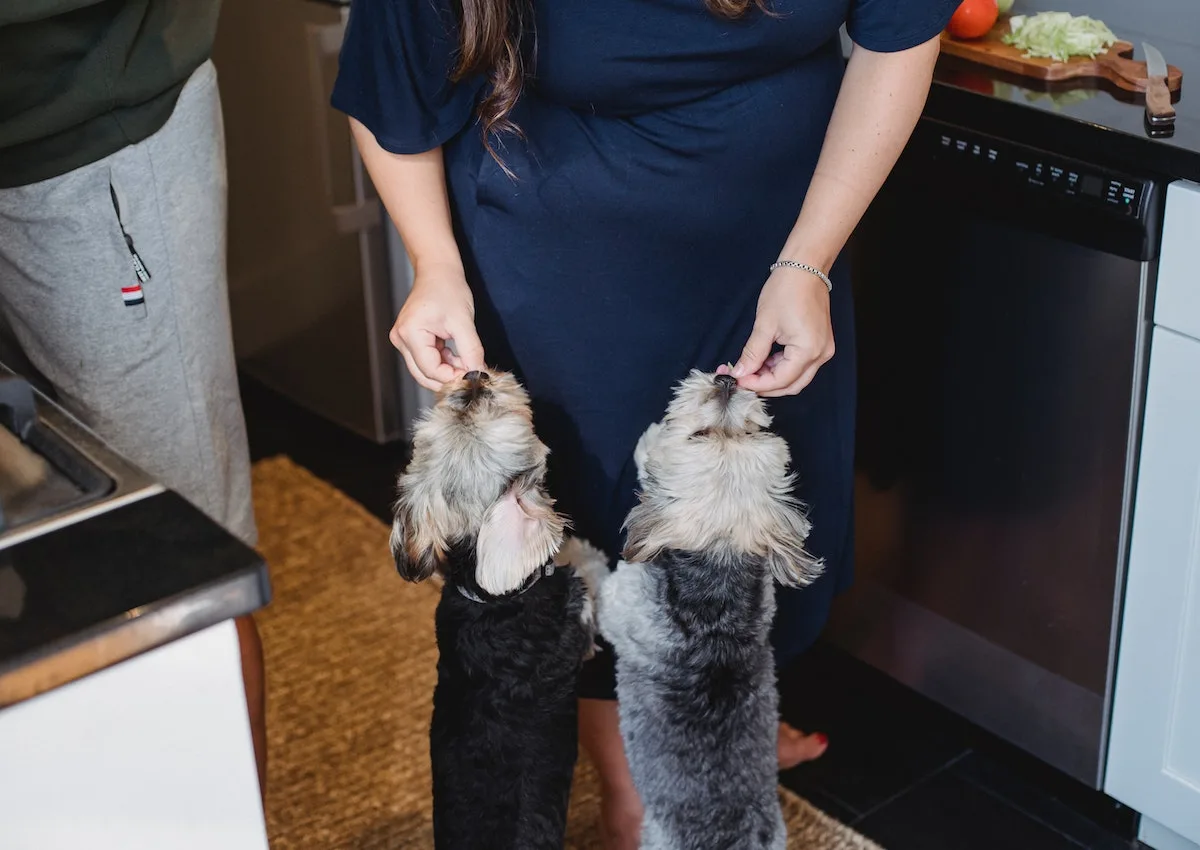
It’s tempting to share your snacks, but many human foods are harmful to dogs. Foods like chocolate, grapes, and onions can be toxic, while others might simply cause digestive upset. Stick to dog-safe treats and always double-check if you’re unsure.
Irregular feeding times


Dogs thrive on routine. Feeding them at irregular times can cause stress and digestive issues. Try to stick to a consistent schedule to keep that tail wagging on time, every day.
Ignoring signs of food allergies


Dogs can have allergies, too. Symptoms like itching, digestive upset, and ear infections might signal a food allergy. If you notice any unusual signs, a trip to the vet and a diet adjustment might be in order.
Inadequate water supply


Water is just as important as food! Keeping your dog hydrated helps everything from digestion to joint health. Make sure fresh water is always available, and keep an eye on how much they’re drinking, especially in hot weather or after play.
Overfeeding


It’s easy to give in to those pleading eyes, but resist! Overfeeding can sneak up on you, leading to an unhappy, overweight pet with health issues. Make sure you stick to the recommended portions for your dog’s size, age, and energy level.
Ignoring ingredient labels


Just as you would with your own food, check the labels on your dog’s food. Low-quality fillers and artificial additives can harm their health. Opt for high-quality, wholesome ingredients to keep your dog bouncing happily through life.
Sticking to dry food only
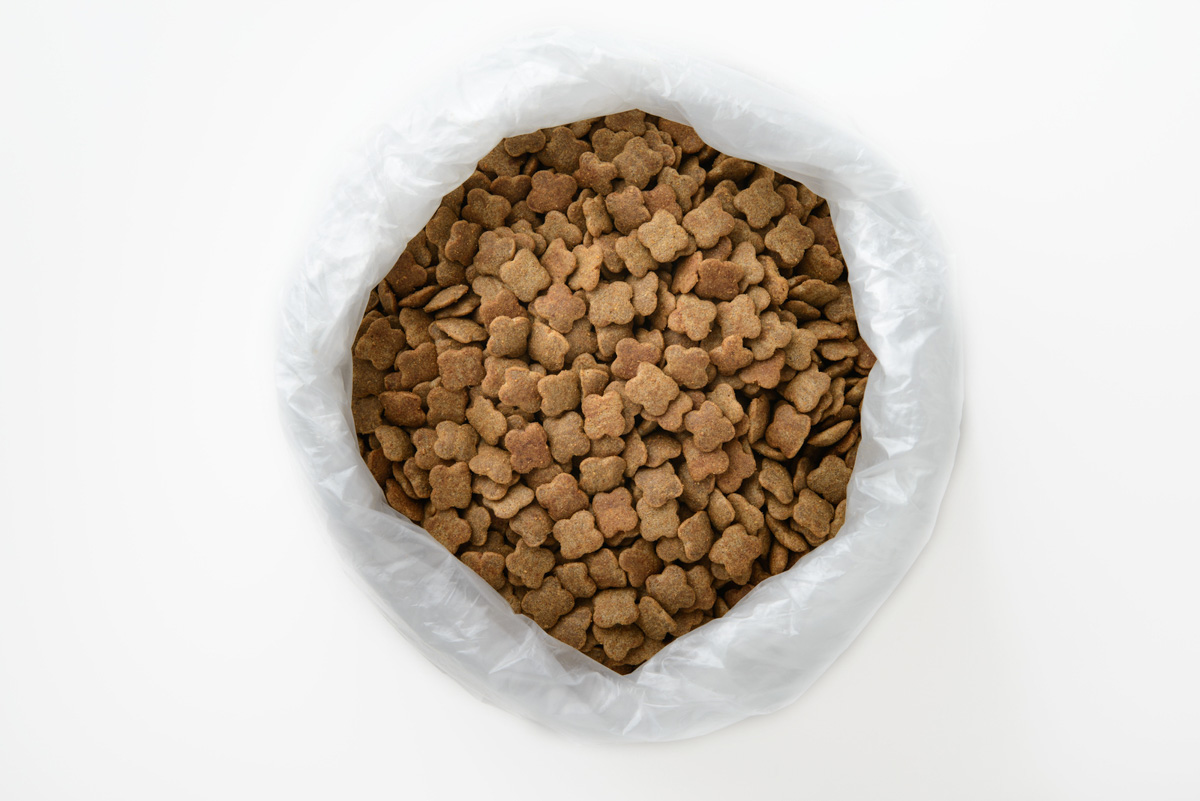

While dry food is convenient, incorporating wet food or safe human-grade ingredients can enhance your dog’s diet, providing moisture and a variety of textures and flavors they’ll love.
Underfeeding


Just as too much food can be an issue, so can too little. Underfeeding can leave your dog sluggish and prone to a range of health troubles. Every dog breed and size has its unique dietary needs, so ensure your furry friend gets enough to support their daily hustle.
Neglecting dietary needs


Each dog has its own needs based on age, health, and lifestyle. Puppies need more calories and specific nutrients, while older dogs might need a diet lower in calories but rich in fiber. Tailor your dog’s diet to their stage of life and health requirements.
Why Chicken Feet Are the Next Big Thing in Dog Health


There’s been a buzz in the pet community recently about an unusual dog treat: chicken feet. Yes, you heard that right, the feet of chickens are becoming a popular dog treat, and for good reason. Let’s dive into the world of feeding chicken feet to dogs and understand the many benefits it brings.
Read it Here: Why Chicken Feet Are the Next Big Thing in Dog Health
Bone Broth for Dogs – Why It’s So Good For Them


Have you ever wondered if your furry friend could benefit from the same wholesome elixir that has humans singing its praises? A nourishing cup of bone broth for dogs might be the secret to your dog’s optimal health.
Read it Here: Bone Broth for Dogs
Can You Buy Dog Food with Food Stamps?
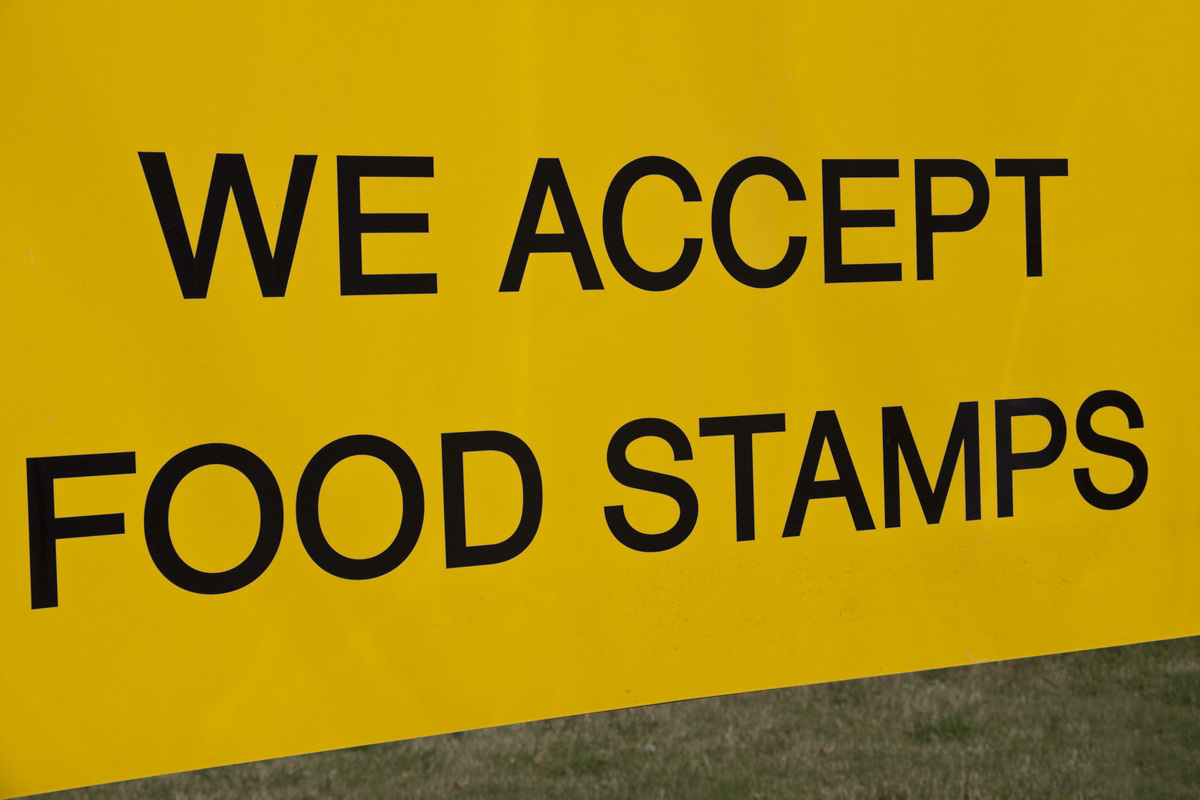

For countless individuals, a pet is not just an animal; it’s a cherished member of the family. The love and companionship our furry friends provide, especially in challenging times, are irreplaceable. Given this deep bond, it’s no surprise that many pet owners are determined to ensure their pets receive the best care possible, including a balanced and nutritious diet. This brings us to a frequently asked question: Can you buy dog food with food stamps?
Read it Here: Can You Buy Dog Food with Food Stamps?
*Select images provided by Depositphotos.