


Bringing a new baby home is an exciting time for your family, but it can be confusing for your dog. They might wonder who this new tiny human is and why they’re suddenly the center of attention. To make the transition smoother for everyone, it’s important to prepare your pup for the arrival. Here are some tried-and-true tips to help your dog adapt and ensure a harmonious home as you welcome your newest member.


Gradual Introduction to New Experiences


Start prepping your dog well before the baby arrives by introducing sounds, sights, and routines that mimic life with a newborn. Play recordings of crying, use baby lotion on yourself, and carry a baby doll around to normalize these changes. This helps your dog build a tolerance to what might otherwise feel sudden and overwhelming.
Scent Familiarization


Dogs rely heavily on scent to understand their world. Before the baby comes home, bring the hospital blanket or baby’s hat and let your dog sniff it calmly while you supervise. Pair this with calm praise or a treat so your dog begins associating the baby’s smell with something safe and familiar.
Obedience Training


Make sure your dog reliably follows basic commands like sit, stay, and leave it. Once the baby arrives, your hands will be full and your time divided—so the more obedient your dog is ahead of time, the smoother everything will go. If it’s been a while, consider enrolling in a refresher class or hiring a trainer for a few sessions.
Create Boundaries


Set physical boundaries early by using baby gates or closed doors to block off rooms where your dog won’t be allowed, like the nursery. Practice these boundaries before the baby’s arrival so your dog doesn’t associate the baby with suddenly being excluded. It also gives your baby a safe space as they grow and become mobile.
Desensitize to Touch


Babies touch dogs in unpredictable ways—pulling ears, grabbing tails, patting too hard. Begin gently touching your dog in similar ways during play or grooming, while reinforcing calm behavior. If your dog shows signs of discomfort or overstimulation, it’s a sign to slow down and work on tolerance gradually.
Adjust Your Dog’s Routine Gradually


If your schedule is going to shift once the baby’s born, start making those changes early. Gradually move feeding, walking, and playtime to times that fit your upcoming routine. This prevents a jarring switch and helps your dog feel more settled when the baby arrives and everything else changes.
Associate Baby with Positives

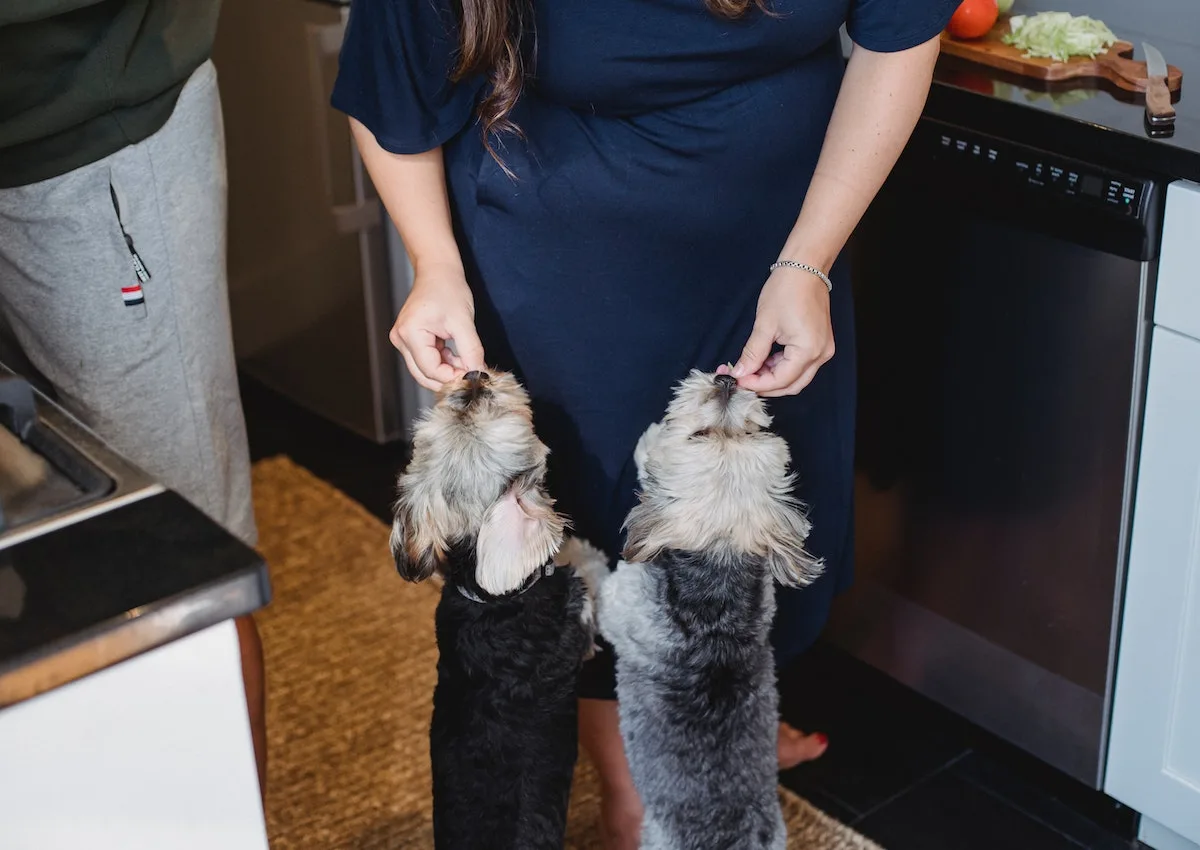
Let your dog form positive associations with the baby’s presence by rewarding calm behavior around baby items, smells, and sounds. Give treats, attention, or access to favorite toys when the baby is in the room or when baby-related noises are playing. Over time, your dog will see the baby as something connected to good things, not competition.
Controlled Introduction to the Baby
When it’s time to meet, make it slow and structured. Keep your dog leashed, have a second adult present, and let your dog observe from a distance at first. Watch for signs of stress or overstimulation. Stay calm and praise relaxed behavior, but don’t force interaction. Let your dog set the pace within safe, controlled limits.
Supervise All Interactions


Even if your dog is generally gentle, never leave them alone with the baby. Babies move unpredictably, make high-pitched noises, and may trigger unexpected reactions in even the most trustworthy dogs. Constant supervision ensures you can correct unwanted behavior early and protect both your dog and your baby.
Maintain Your Dog’s Routine
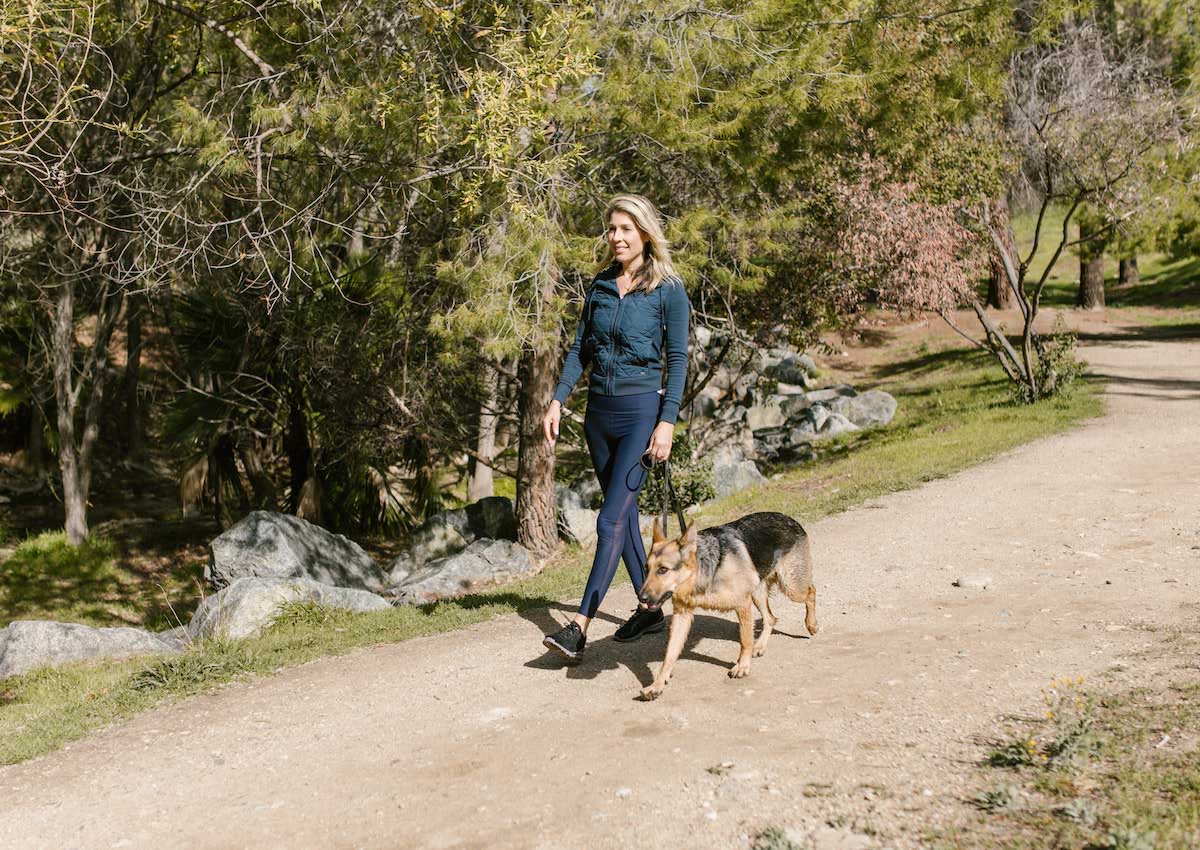

Even if your dog is generally gentle, never leave them alone with the baby. Babies move unpredictably, make high-pitched noises, and may trigger unexpected reactions in even the most trustworthy dogs. Constant supervision ensures you can correct unwanted behavior early and protect both your dog and your baby.
Why Do Dogs Sleep At The Foot Of The Bed?
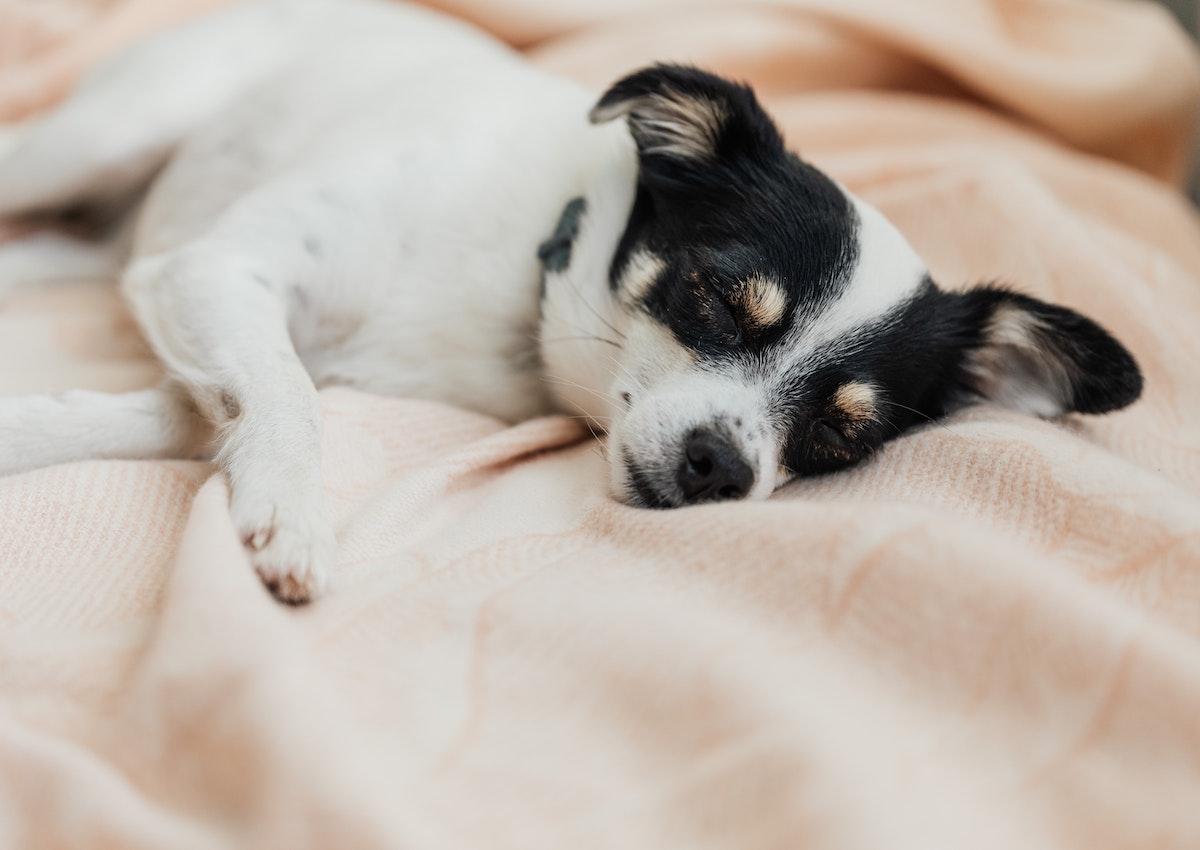

“Why do dogs sleep at the foot of the bed?” is a question that dog owners often wonder as our furry friends seem to squeeze out all the extra space making it so we can’t stretch out in comfort at night.
The mystery surrounding this dog sleep behavior is intriguing for pet parents and dog behaviorists. We’ll look into the possible reasons behind why dogs like to rest at their owner’s feet and try to understand if there’s a psychological, instinctual or behavioral reasoning behind it.
Read it Here: Why Do Dogs Sleep At The Foot Of The Bed?
Top 8 Gadgets Every Dog Owner Must Have In 2025


Are you a dog owner looking to step up your game with some cool tech? Whether it’s keeping your pup safe, managing their health, or just having a bit more fun together, there’s a gadget out there that can help. We’re diving into the top dog gadgets for 2025 that are total game-changers for pet care. See how these innovative tools can make life with your furry friend even better and your life a lot easier!
Read it Here: Top 8 Gadgets Every Dog Owner Must Have In 2025